


2 Chronicles 32:27
- וַיְהִיvay·Hiand it belongedH1961Conj-w ¦ V-Qal-ConsecImperf-3msVerb Qal Consecutive Imperfect 3rd Singular Masculineוַandיְהִיit belonged
- לִיחִזְקִיָּהוּli·chiz·ki·Ya·huto HezekiahH2396Prep-l ¦ N-proper-mNoun Proper MasculineלִtoיחִזְקִיָּהוּHezekiah
- עֹשֶׁר'O·sherwealthH6239N-msNoun Singular Masculine Absolute
- וְכָבוֹדve·kha·Vodand honorH3519Conj-w ¦ N-msNoun Singular Masculine Absoluteוְandכָבוֹדhonor
- הַרְבֵּהhar·BehgreatH7235V-Hiphil-InfAbsVerb Hiphil Infinitive Absolute
- מְאֹדme·'OdexceedinglyH3966Adj-msAdjective Numerical Singular Masculine Absolute
- וְאֹצָרוֹתve·'o·tza·Rotand treasuriesH214Conj-w ¦ N-fpNoun Plural Feminine Absoluteוְandאֹצָרוֹתtreasuries
- עָשָׂה'a·sahhe madeH6213V-Qal-Perf-3msVerb Qal Perfect 3rd Singular Masculine
- לוֹlofor himselfPrep-l ¦ 3msSuffix Personal 3rd Singular Masculineלforוֹhimself
- לְכֶסֶףle·Khe·seffor silverH3701Prep-l ¦ N-msNoun Singular Masculine Absoluteלְforכֶסֶףsilver
- וּלְזָהָבu·le·za·Havand for goldH2091Conj-w ¦ Prep-l ¦ N-msNoun Singular Masculine Absoluteוּandלְforזָהָבgold
- וּלְאֶבֶןu·le·'E·venand for stone[s]H68Conj-w ¦ Prep-l ¦ N-fsNoun Singular Feminine Absoluteוּandלְforאֶבֶןstone[s]
- יְקָרָהye·ka·RahpreciousH3368Adj-fsAdjective Singular Feminine Absolute
- וְלִבְשָׂמִיםve·liv·sa·Mimand for spicesH1314Conj-w ¦ Prep-l ¦ N-mpNoun Plural Masculine Absoluteוְandלִforבְשָׂמִיםspices
- וּלְמָגִנִּיםu·le·Ma·gi·Nimand for shieldsH4043Conj-w ¦ Prep-l ¦ N-mpNoun Plural Masculine Absoluteוּandלְforמָגִנִּיםshields
- וּלְכֹלu·le·Kholand for allH3605Conj-w ¦ Prep-l ¦ N-mscNoun Singular Masculine Constructוּandלְforכֹלall
- כְּלֵיke·Leiarticles ofH3627N-mpcNoun Plural Masculine Construct
- חֶמְדָּהchem·DahpreciousnessH2532N-fsNoun Singular Feminine Absolute
English is a literal word-by-word gloss of the Hebrew, not the KJV's wording. Why?
This is the original text the KJV's translators worked from — each Hebrew word with its own literal English meaning in this verse, prepared by scholars at Tyndale House, Cambridge. The KJV translates whole sentences, not word by word, so its wording differs: one Hebrew word can become several English words, and the KJV may choose “the LORD” where the gloss reads “Yahweh”. Both are faithful — they answer different questions. For the KJV's own rendering, switch to the KJV text.
Details
See on the biblical-era map
Study this verse
Public-domain commentary
Matthew Henry
From his Commentary on the Whole Bible. Henry comments on passages, not single verses — this entry covers 2 Chronicles 32:24–33. His three-level outline is real structure in the source text, so it is rendered as structure.
Here we conclude the story of Hezekiah with an account of three things concerning him: -
I.His sickness and his recovery from it, Ch2 32:24.
The account of his sickness is but briefly mentioned here; we had a large narrative of it, 2 Kings 20. His disease seemed likely to be mortal. In the extremity of it he prayed. God answered him, and gave him a sign that he should recover, the going back of the sun ten degrees.
II.His sin and his repentance for it, which were also more largely related, Kg2 20:12, etc. Yet several things are here observed concerning his sin which we had not there.
1.The occasion of it was the king of Babylon's sending an honourable embassy to him to congratulate him on his recovery. But here it is added that they came to enquire of the wonder that was done in the land (Ch2 32:31), either the destruction of the Assyrian army or the going back of the sun. The Assyrians were their enemies; they came to enquire concerning their fall, that they might triumph in it. The sun was their god; they came to enquire concerning the favour he had shown to Hezekiah, that they might honour him whom their god honoured, Ch2 32:31. These miracles were wrought to alarm and awaken a stupid careless world, and turn them from dumb and lame idols to the living God; and men were startled by them, but not converted till a greater wonder was done in that land, in the appearing of Jesus Christ, Mat 2:1, Mat 2:2.
2.God left him to himself in it, to try him, Ch2 32:31. God, by the power of his almighty grace, could have prevented the sin; but he permitted it for wise and holy ends, that, by this trial and his weakness in it, he might know, that is, it might be known (a usual Hebraism), what was in his heart, that he was not so perfect in grace as he thought he was, but had his follies and infirmities as other men. God left him to himself to be proud of his wealth, to keep him from being proud of his holiness. It is good for us to know ourselves, and our own weakness and sinfulness, that we may not be conceited or self-confident, but may always think meanly of ourselves and live in a dependence upon divine grace. We know not the corruption of our own hearts, nor what we shall do if God leave us to ourselves. Lord, lead us not into temptation.
3.His sin was the his heart was lifted up, Ch2 32:25. He was proud of the honour God had put upon him in so many instances, the honour his neighbours did him in bringing him presents, and now that the king of Babylon should send an embassy to him to caress and court him: this exalted him above measure. When Hezekiah had destroyed other idolatries he began to idolize himself. O what need have great men, and good men, and useful men, to study their own infirmities and follies, and their obligations to free grace, that they may never think highly of themselves, and to beg earnestly of God that he will hide pride from them and always keep them humble!
4.The aggravation of his sin was the he made so bad a return to God for his favours to him, making even those favours the food and fuel of his pride (Ch2 32:25): He rendered not again according to the benefit done unto him. Note, It is justly expected that those who have received mercy from God should study to make some suitable returns for the mercies they have received; and, if they do not, their ingratitude will certainly be charged upon them. Though we cannot render an equivalent, or the payment of a debt, we must render the acknowledgment of a favour. What shall I render that may be so accepted? Psa 116:12.
5.The divine displeasure he was under for this sin; though it was but a heart-sin, and the overt-act seemed not only innocent but civil (the showing of his treasures to a friend), yet wrath came upon him and his kingdom for it, Ch2 32:25. Note, Pride is a sin that God hates as much as any, and particularly in his own people. Those that exalt themselves must expect to be abased, and put under humbling providences. Wrath came on David for his pride in numbering the people.
6.His repentance for this sin: He humbled himself for the pride of his heart. Note,
(1.)Though God may, for wise and holy ends, suffer his people to fall into sin, yet he will not suffer them to lie still in it; they shall not be utterly cast down.
(2.)Heart-sins are to be repented of, though they go no further.
(3.)Self-humiliation is a necessary branch of repentance.
(4.)Pride of heart, by which we have lifted up ourselves, is a sin for which we ought in a special manner to humble ourselves.
(5.)People ought to mourn for the sins of their rulers. The inhabitants of Jerusalem humbled themselves with Hezekiah, because they either knew that they also had been guilty of the same sin, or at least feared that they might share in the punishment. When David, in his pride, numbered the people, they all smarted for his sin.
7.The reprieve granted thereupon. The wrath came not in his days. While he lived the country had peace and truth prevailed; so much does repentance avail to put by, or at least to put off, the tokens of God's anger.
III.Here is the honour done to Hezekiah,
1.By the providence of God while he lived. He had exceeding much riches and honour (Ch2 32:27), replenished his stores, victualled his campus, fortified his city, and did all he wished to do; for God had given him very much substance, Ch2 32:29. Among his great performances, his turning the water-course of Gihon is mentioned (Ch2 32:30), which was done upon occasion of Sennacherib's invasion, Ch2 32:3, Ch2 32:4. The water had come into that which is called the old pool (Isa 22:11) and the upper pool (Isa 7:3); but he gathered the waters into a new place, for the greater convenience of the city, called the lower pool, Isa 22:9. And, in general, he prospered in all his works, for they were good works.
2.By the respect paid to his memory when he was dead.
(1.)The prophet Isaiah wrote his life and reign (Ch2 32:32), his acts and his goodness or piety, or which it is part of the honour to be recorded and remembered, for examples to others.
(2.)The people did him honour at his death (Ch2 32:33), buried him in the chief of the sepulchres, made as great a burning for him as for Asa, or, which is a much greater honour, made great lamentation for him, as for Josiah. See how the honour of serious godliness is manifested in the consciences of men. Though it is to be feared that the generality of the people did not heartily comply with the reforming kings, yet they could not but praise their endeavours for reformation, and the memory of those kings was blessed among them. It is a debt we owe to those who have been eminently useful in their day to do them honour at their death, when they are out of the reach of flattery and we have seen the end of their conversation. The due payment of this debt will be an encouragement to others to do likewise.
Continue studying 2 Chronicles 32:27 across the web’s major study libraries — every link below opens this exact verse, chapter, or book on the destination site.
Read & Compare
 BibleGatewayThis verse in more than 200 translations and 70 languages.
 Bible.comThe YouVersion reader — hundreds of translations, reading plans, and highlights.
 ESV.orgCrossway's official English Standard Version reader.
 NET BibleThe NET translation with 60,000+ translators' notes on every rendering decision.
 STEP BibleTyndale House's free study tool — original text, vocabulary, and scholarly resources.
 BibliaLogos Bible Software's free web reader.
 USCCBThe New American Bible (Revised Edition) with the U.S. bishops' study notes.
Commentaries
 BibleHub CommentariesDozens of classic commentaries on this verse, gathered on one page.
 StudyLightMore than 100 commentary sets — the largest collection on the web.
 BibleRefPlain-English commentary on what this verse means, verse by verse.
 Enduring WordDavid Guzik's free commentary on this chapter, widely used by Bible teachers.
 Bible Study ToolsVerse commentary alongside Greek and Hebrew study aids.
Original Language & Research
- BibleHub InterlinearThe verse word by word — original language, transliteration, and English.
- BibleHub LexiconEvery word's original-language definition and Strong's entry.
 Blue Letter BibleDeep-study tools — Strong's numbers, concordance, and word studies.
 SefariaThe Hebrew text with Rashi and centuries of Jewish commentary.
Sermons, Hymns & Audio


TrulyRandomVerse is not affiliated with these sites and doesn’t control their content. They’re linked because they’re genuinely useful.
Summary
2 Chronicles 32:27 vividly portrays the extraordinary prosperity and esteemed reputation of King Hezekiah of Judah, detailing the comprehensive measures he undertook to organize and secure his immense wealth. This verse serves as a powerful testament to the divine favor bestowed upon a faithful monarch, highlighting not only the sheer abundance of his material blessings but also his diligent and systematic administration of these gifts, reflecting both God's provision and Hezekiah's responsible stewardship.
Context
ShowHideLiterary Context
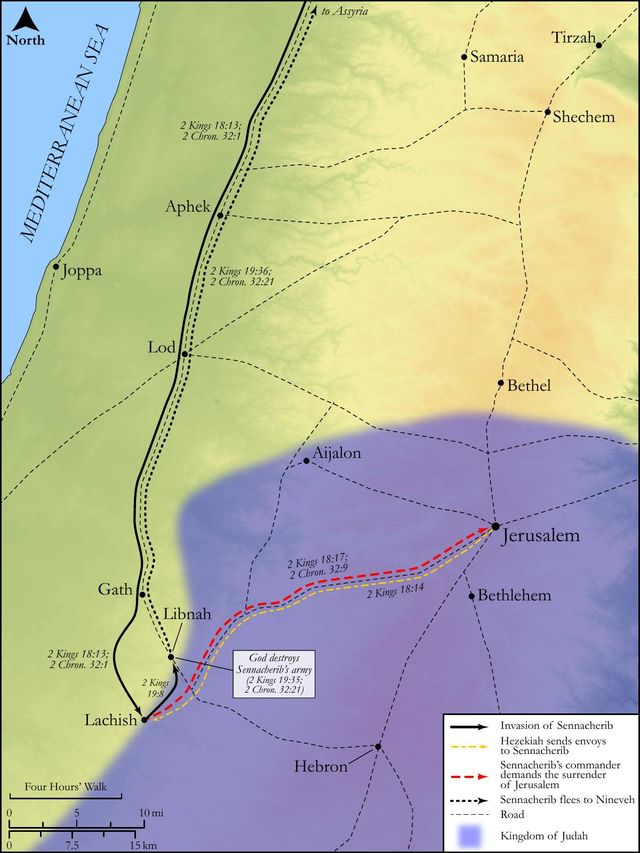
This verse is situated within the latter part of King Hezekiah's reign, immediately following the miraculous deliverance of Jerusalem from the formidable Assyrian invasion led by King Sennacherib. The preceding narrative in 2 Chronicles 32 emphasizes Hezekiah's unwavering faith and prayer in the face of overwhelming odds (as seen in 2 Chronicles 32:20), and God's dramatic intervention, which resulted in the destruction of the Assyrian army (recounted in 2 Chronicles 32:21). Verse 27, therefore, presents the "riches and honour" as a direct consequence and tangible manifestation of God's blessing upon Hezekiah for his faithfulness and trust. It underscores a central theme of the Chronicler: that obedience and reliance on God lead to prosperity and security, while disobedience brings judgment. This prosperity is not merely an accumulation of wealth but a divine reward that solidifies Hezekiah's position and the stability of Judah after a period of profound national crisis.
Historical & Cultural Context
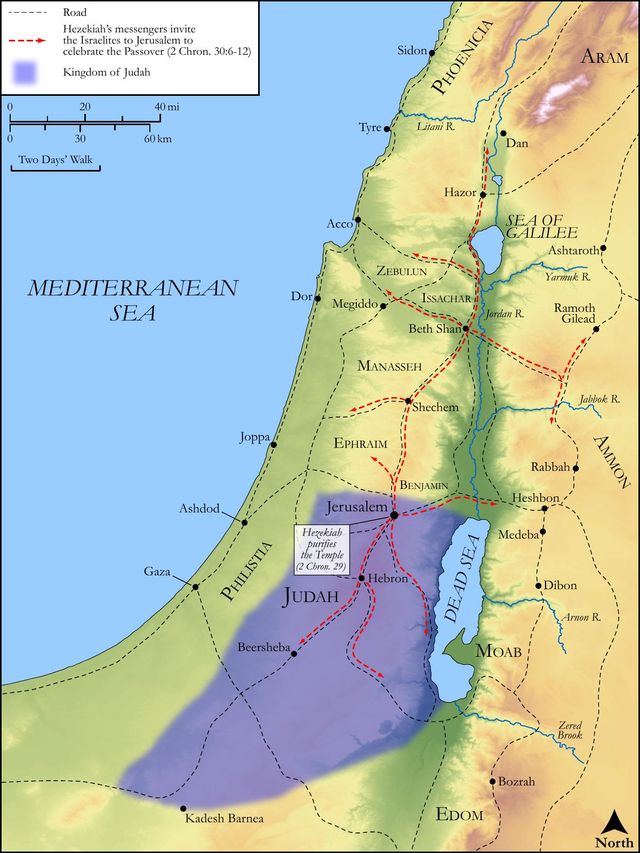
Hezekiah reigned over Judah from approximately 715-686 BC, a tumultuous period dominated by the rising power of the Assyrian Empire. His reign was marked by significant religious reforms, including the cleansing of the Temple and the restoration of Passover, as detailed in 2 Chronicles 29-31. The Assyrian siege of Jerusalem (701 BC) was a pivotal event, where the survival of Judah hung precariously. In the ancient Near East, a king's wealth and honor were direct indicators of his power, divine favor, and the prosperity of his kingdom. Royal treasuries were not merely personal coffers but repositories for national wealth, tribute, and valuable resources, essential for maintaining the state, funding public works, and sustaining the royal court. The detailed list of items—silver, gold, precious stones, spices, and valuable shields—reflects the diverse forms of wealth and tribute that would have flowed into a successful monarch's treasury, signifying not only economic prosperity but also geopolitical influence and military prestige.
Key Themes
ShowHideThe verse powerfully illustrates several key themes central to the book of Chronicles and biblical theology. Firstly, it highlights Divine Blessing and Prosperity, showcasing how God generously rewards faithfulness, particularly after a demonstration of profound trust during crisis. Hezekiah's "exceeding much riches and honour" are presented as a direct result of God's miraculous intervention and his unwavering devotion, echoing the principle that "The blessing of the Lord makes one rich, and he adds no sorrow with it" (Proverbs 10:22). Secondly, it underscores Diligent Stewardship and Wise Administration. Hezekiah did not merely receive wealth; he actively "made himself treasuries" and meticulously organized his vast resources. This demonstrates responsible governance and a systematic approach to managing God-given blessings, serving as an example of prudent leadership. Finally, the verse subtly points to the theme of God's Sovereignty and Provision, demonstrating His ability to elevate and provide for His chosen instruments, even in the face of overwhelming opposition, thereby ensuring the continuity of His covenant purposes through the Davidic line.
Exposition and Analysis
ShowHideKey Word Analysis
ShowHideThe Hebrew word mᵉʼôd (מְאֹד) signifies "vehemence" or "intensity," often translated as "very," "greatly," or "exceedingly." When repeated, as in the full phrase "exceeding much" (מְאֹד מְאֹד), it functions as an intensive or superlative, emphasizing an unparalleled degree. In this context, it highlights the truly extraordinary, immense, and exceptional nature of Hezekiah's riches and honor, underscoring the magnitude of God's lavish blessing upon him.
This phrase combines two Hebrew words. Kᵉlîy (כְּלִי) refers to "something prepared," encompassing any apparatus, implement, utensil, vessel, or even a jewel. Chemdâh (חֶמְדָּה), derived from a root meaning "delight," signifies something "desirable," "precious," or "goodly." Together, kᵉlîy chemdâh denotes highly valuable, desirable, or exquisite articles, often implying items of artistic craftsmanship or intrinsic worth, such as precious ornaments, valuable artifacts, or beautiful vessels. This indicates Hezekiah's treasury contained not just raw materials but also finished goods of significant aesthetic and material value, further highlighting the opulence and refinement of his possessions.
Verse Breakdown
ShowHide"And Hezekiah had exceeding much riches and honour:"
This opening clause establishes the central assertion of the verse: Hezekiah's unparalleled prosperity and high regard. The "riches" (עֹשֶׁר, 'osher H6239) encompass material wealth, while "honour" (כָּבוֹד, kâbôwd H3519) refers to glory, dignity, and reputation. The emphatic use of "exceeding much" (מְאֹד מְאֹד, mᵉʼôd mᵉʼôd) underscores the divine source and extraordinary scale of this blessing, directly linking it to the preceding narrative of God's miraculous intervention on his behalf.
"and he made himself treasuries for silver, and for gold, and for precious stones, and for spices,"
This segment details Hezekiah's active and methodical approach to managing his wealth. The phrase "made himself treasuries" (אוֹצָרוֹת עָשָׂה לוֹ, 'ôwtsâr 'âsâh lô H214, H6213) implies the construction and organization of dedicated storage facilities. The list of items—silver (כֶּסֶף, keçeph H3701), gold (זָהָב, zâhâb H2091), and precious stones (אֶבֶן יָקָר, 'eben yâqâr H68, H3368)—represents the most common and valuable forms of ancient wealth and tribute. "Spices" (בְּשָׂמִים, besem H1314) were highly valuable commodities, used for anointing, incense, medicine, and perfumes, often imported from distant lands, signifying trade and luxury. This enumeration underscores the vast and diverse nature of his accumulated treasures.
"and for shields, and for all manner of pleasant jewels;"
The final part of the list continues to illustrate the breadth of Hezekiah's possessions. "Shields" (מָגֵן, mâgên H4043) in this context likely refers to ceremonial or ornamental shields, possibly plated with gold or other precious metals, rather than functional battle equipment. Such shields would have been symbols of royal power, military prestige, and wealth, perhaps displayed in the royal palace or temple. "All manner of pleasant jewels" (כְּלִי חֶמְדָּה, kᵉlîy chemdâh H3627, H2532) is a comprehensive category for all other desirable and valuable articles, including ornate vessels, ornaments, and other precious artifacts, further emphasizing the richness and variety of his royal treasury.
Literary Devices
ShowHideThe verse employs several effective literary devices to convey Hezekiah's immense prosperity and the divine source of his blessings. Hyperbole is evident in the phrase "exceeding much riches and honour," which uses an emphatic doubling of the Hebrew adverb to underscore the extraordinary and abundant nature of his wealth, suggesting a scale beyond typical royal possessions. This exaggeration serves to highlight God's lavish provision and the miraculous nature of His blessing. Furthermore, the verse utilizes Enumeration or Cataloging by providing a detailed list of the items stored in Hezekiah's treasuries: "silver, and for gold, and for precious stones, and for spices, and for shields, and for all manner of pleasant jewels." This exhaustive list not only provides concrete examples of his wealth but also creates a sense of overwhelming abundance and variety, allowing the reader to visualize the vastness of his treasury. Finally, there is an underlying Symbolism present, where the material riches and honor bestowed upon Hezekiah symbolize divine favor and the tangible rewards of covenant faithfulness. His prosperity is not merely a secular achievement but a visible sign of God's blessing upon a righteous king and his kingdom.
Theological and Thematic Connections
ShowHideThe extraordinary wealth and honor bestowed upon Hezekiah, as described in 2 Chronicles 32:27, serve as a profound theological statement about God's character and His interaction with humanity. It reinforces the Deuteronomic principle that obedience and faithfulness to God lead to blessing and prosperity, while disobedience brings consequences. Hezekiah's diligent reforms, his trust in God during the Assyrian crisis, and his subsequent prosperity illustrate that God is not only a deliverer but also a generous provider who honors those who honor Him. This verse connects Hezekiah's personal wealth to the broader well-being of the nation, implying that a righteous king's blessings often extend to his people. It also underscores the importance of stewardship, as Hezekiah meticulously organized what God had given him, setting an example for managing resources with wisdom and intentionality.
Reflection and Application
ShowHideHezekiah's story in 2 Chronicles 32:27 offers timeless lessons for believers today. Firstly, it reminds us that God is the ultimate source of all blessings, whether material or spiritual. Hezekiah's riches were not merely a result of his own ingenuity but a direct consequence of divine favor following his profound faith and obedience during a national crisis. This encourages us to cultivate a posture of trust and faithfulness in our own lives, recognizing that God often blesses us in ways that exceed our expectations when we prioritize His kingdom. Secondly, the verse highlights the importance of diligent stewardship. Hezekiah didn't just accumulate wealth; he actively "made himself treasuries" and organized his resources. This calls us to be responsible managers of whatever God has entrusted to us—our finances, time, talents, relationships, and spiritual gifts. True prosperity, in a biblical sense, is not just about accumulation but about wise administration and using resources for God's glory and the good of others. Finally, Hezekiah's prosperity, while immense, was ultimately earthly and temporary. It prompts us to consider where our true treasures lie and to seek spiritual riches that endure beyond this life.
Questions for Reflection
ShowHideFAQ
ShowHideWas Hezekiah's immense wealth a sign of God's unconditional approval of him?
ShowHideWhile Hezekiah's "exceeding much riches and honour" were indeed a direct result of God's favor and blessing, particularly after his unwavering faith during the Assyrian invasion (as seen in 2 Chronicles 32:21-23), it's important to understand that biblical blessings are often conditional on obedience and faithfulness, not unconditional. The Chronicler frequently emphasizes the principle that God blesses those who walk in His ways. However, the text also notes Hezekiah's later pride and failure in showing the Babylonian envoys his treasures (2 Chronicles 32:25-26), indicating that even a blessed king could stumble. So, while the wealth was a sign of God's approval for his earlier faithfulness, it didn't mean Hezekiah was flawless or that the blessing was without responsibility.
What is the significance of "shields" being listed among the treasures in Hezekiah's treasuries?
ShowHideThe inclusion of "shields" (Hebrew: mâgên H4043) in a list of precious items like silver, gold, and jewels suggests they were not ordinary military equipment. In ancient Near Eastern royal contexts, "shields" could refer to ceremonial or ornamental shields, often made of or plated with precious metals, particularly gold. For example, King Solomon had "three hundred shields of beaten gold" (1 Kings 10:17) that were displayed in his palace. These would have been symbols of immense wealth, royal power, and military prestige, rather than items for active combat. Their presence in Hezekiah's treasury underscores the opulence of his possessions and the grandeur of his kingdom, reflecting both his material prosperity and his standing as a powerful monarch.
Christ-Centered Fulfillment
ShowHideHezekiah's earthly riches and honor, though extraordinary, ultimately point to the far greater and eternal spiritual riches and glory found in Jesus Christ. While Hezekiah received material wealth as a reward for his faithfulness and as a sign of God's blessing upon his kingdom, Christ embodies the ultimate "exceeding much riches and honour" not in earthly possessions, but in divine glory and spiritual abundance. As the true King, Jesus possesses "all the treasures of wisdom and knowledge" (Colossians 2:3) and, through His atoning work, bestows upon believers "every spiritual blessing in the heavenly places" (Ephesians 1:3). Hezekiah's deliverance of Jerusalem from Sennacherib foreshadows Christ's ultimate victory over sin, death, and the forces of darkness, securing an eternal kingdom for His people. The honor given to Hezekiah pales in comparison to the supreme honor and exaltation of Christ, to whom "every knee should bow" (Philippians 2:9-11). Thus, Hezekiah's story serves as a temporal, material shadow of the boundless, everlasting spiritual wealth and glory that believers inherit through their union with Christ, urging us to "lay up for yourselves treasures in heaven" (Matthew 6:19-21), where true and imperishable riches reside.